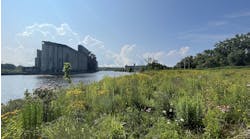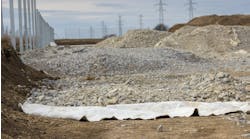

We all have ideas of what a drought looks like, some probably remembered from photos we’ve seen of the Dust Bowl years. In addition to the expected images—dry and dusty fields, lakes far below their usual level, residential lawns brown from months of watering restrictions—the community of Spicewood Beach, Texas, adds one more: a water-delivery truck.
Our publisher passed along this article from the New York Times about the drought in Texas. Water levels in the well serving this suburb of Austin have dropped so low that officials with the Lower Colorado River Authority are paying $1,000 a day to have water delivered from a nearby community—a cost it is not passing along to residents, although water use has been restricted.
“Droughts are deceptive disasters,” the article notes. “They knock down no buildings, spread no debris. But they are disasters nonetheless.” Trucking in water certainly isn’t the worst possible outcome of drought, and there are signs that conditions may be improving slightly in parts of Texas, although the drought may last through the summer in many areas. But several other public water systems are estimated to have three months or less of water. As the article notes, 2011 was the driest year in the state since 1917.
Based on this NASA image released yesterday, it looks like parts of the state may be in for more of the same in 2012.
****************
Upcoming Forester University Webinars
February 16th, 2012
ABCs of BMPs:
Buttoning Up Large Sites in Small Time
Choose and implement the most cost-effective BMP and meet your performance and compliance requirements! Join Dirt Time host John McCullah, CPESC #311 to discuss the most practical, efficient, and cost effective methods for buttoning up a large site in a small amount of time. We’ll explore the issues, ABCs of BMPs, and practical uses of blown straw, straw, and compost blankets. Read More...